

Road Safety: Importance, Rules, Awareness, and Best Practices for Safer Roads
Introduction
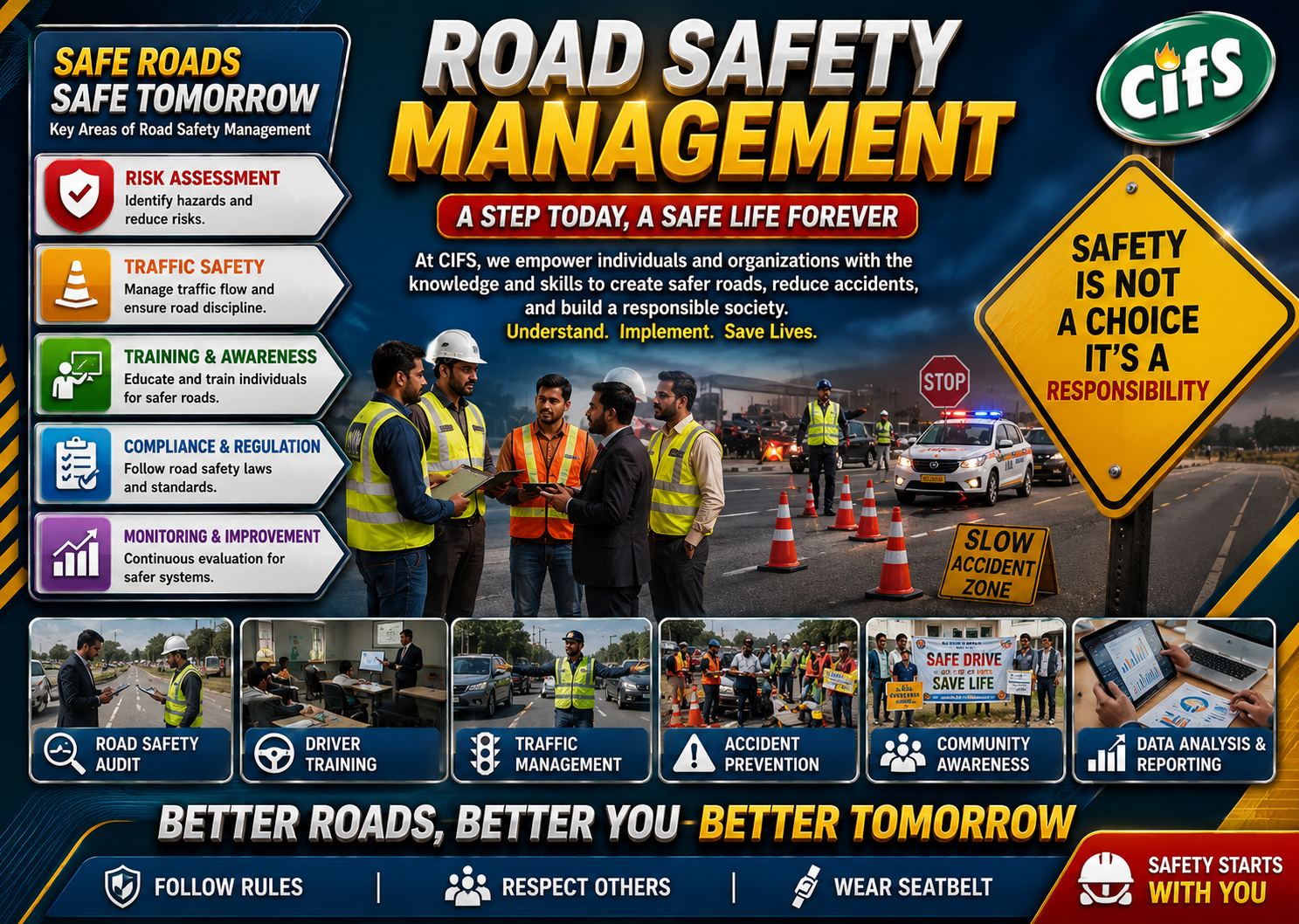
Road Safety is one of the most important aspects of public safety and responsible citizenship. Every day, millions of people use roads for commuting, transportation, education, and business activities. However, road accidents continue to be a major concern worldwide, causing injuries, fatalities, and significant economic losses.
Road Safety refers to the measures, rules, and practices designed to prevent road accidents and protect the lives of drivers, passengers, pedestrians, and cyclists. By following traffic regulations, maintaining vehicles properly, and adopting safe driving habits, individuals can contribute to creating safer roads for everyone.
At a time when vehicle numbers are increasing rapidly, road safety awareness has become more important than ever. Every responsible road user plays a vital role in reducing accidents and promoting a culture of safety.
What is Road Safety?
Road Safety is the practice of preventing accidents and minimizing risks associated with road transportation. It includes traffic regulations, vehicle safety standards, driver education, road infrastructure improvements, and public awareness programs.
The primary objective of road safety is to ensure that every road user reaches their destination safely without causing harm to themselves or others.
Road safety involves:
- Safe Driving Practices
- Traffic Rule Compliance
- Vehicle Maintenance
- Pedestrian Safety
- Emergency Response Preparedness
- Defensive Driving Techniques
- Road Safety Education
Importance of Road Safety
Road accidents can result in serious injuries, disabilities, emotional trauma, and loss of life. Most accidents occur due to human error, negligence, speeding, distracted driving, or violation of traffic rules.
Road safety is essential because it:
- Saves Human Lives
- Prevents Injuries and Disabilities
- Protects Property and Vehicles
- Reduces Economic Losses
- Improves Traffic Management
- Enhances Public Safety
- Promotes Responsible Driving Behavior
A safe road environment benefits individuals, families, businesses, and society as a whole.
Common Causes of Road Accidents
Understanding the causes of accidents is the first step toward prevention.
1. Over-Speeding
Driving above the prescribed speed limit significantly increases the risk of accidents and reduces reaction time during emergencies.
2. Distracted Driving
Using mobile phones, texting, eating, or engaging in other distractions while driving can divert attention from the road.
3. Drunk Driving
Driving under the influence of alcohol or drugs impairs judgment, coordination, and reaction time, making it extremely dangerous.
4. Reckless Driving
Ignoring traffic signals, improper overtaking, and aggressive driving behavior contribute to road accidents.
5. Poor Vehicle Maintenance
Faulty brakes, worn-out tires, malfunctioning lights, and other mechanical issues can lead to accidents.
6. Fatigue and Drowsiness
Driving while tired affects concentration and increases the likelihood of mistakes and delayed responses.
7. Adverse Weather Conditions
Heavy rain, fog, snow, and poor visibility can make driving conditions hazardous.
Essential Road Safety Rules
Following road safety rules helps reduce risks and ensures smooth traffic movement.
Always Wear Seat Belts
Seat belts significantly reduce the severity of injuries during collisions and should be worn by both drivers and passengers.
Wear a Helmet
Two-wheeler riders and passengers must wear approved helmets to protect against head injuries.
Obey Traffic Signals
Traffic lights, road signs, and lane markings must always be followed to maintain order and prevent accidents.
Follow Speed Limits
Driving within prescribed speed limits allows better control of the vehicle and improves safety.
Avoid Mobile Phone Usage While Driving
Using mobile phones while driving distracts attention and increases accident risk.
Maintain Safe Distance
Keeping a safe distance from the vehicle ahead provides adequate reaction time during sudden braking situations.
Never Drink and Drive
Driving under the influence of alcohol is one of the leading causes of serious road accidents.
Road Safety for Pedestrians
Pedestrians are among the most vulnerable road users. Following basic safety practices can help prevent accidents.
Safety Tips for Pedestrians
- Use designated pedestrian crossings.
- Walk on sidewalks whenever available.
- Follow pedestrian traffic signals.
- Avoid crossing roads while using mobile phones.
- Remain visible during nighttime by wearing reflective clothing.
Road Safety for Students
Students frequently travel to schools, colleges, and coaching centers. Road safety awareness is essential for their protection.
Important Guidelines for Students
- Use zebra crossings.
- Follow traffic signals.
- Avoid running across roads.
- Wear helmets while riding bicycles or motorcycles.
- Never board moving vehicles.
- Stay alert in traffic zones.
Road safety education should be introduced from an early age to develop responsible habits.
Road Safety for Drivers
Drivers play a crucial role in maintaining road safety. Responsible driving helps prevent accidents and ensures the safety of all road users.
Best Driving Practices
- Conduct regular vehicle inspections.
- Follow defensive driving techniques.
- Use indicators properly.
- Avoid sudden lane changes.
- Stay focused on driving.
- Respect other road users.
Professional and disciplined driving behavior creates a safer transportation environment.
Defensive Driving and Road Safety
Defensive driving involves anticipating potential hazards and taking preventive actions to avoid accidents.
Benefits of defensive driving include:
- Reduced accident risk
- Better hazard awareness
- Improved decision-making
- Increased confidence behind the wheel
- Enhanced passenger safety
Defensive driving is an essential skill for both personal and professional drivers.
Benefits of Road Safety Awareness
Road safety awareness programs help educate individuals about risks and preventive measures.
Key Benefits
- Lower accident rates
- Increased public awareness
- Improved traffic discipline
- Reduced injuries and fatalities
- Safer roads and communities
- Better emergency preparedness
Awareness campaigns play an important role in creating responsible road users.
Role of Organizations in Promoting Road Safety
Organizations and institutions can contribute significantly to road safety through:
- Employee road safety training
- Defensive driving programs
- Vehicle inspection procedures
- Safety awareness campaigns
- Emergency response training
- Traffic management initiatives
Promoting road safety within organizations helps protect employees and the public.
Road Safety and Emergency Response
Despite preventive measures, emergencies may still occur. Basic first aid knowledge and emergency response skills can help save lives.
Important emergency response actions include:
- Calling emergency services immediately
- Providing first aid if trained
- Securing the accident area
- Assisting injured persons safely
- Avoiding panic and maintaining calm
Preparedness can make a significant difference during critical situations.
Conclusion
Road Safety is a shared responsibility that requires cooperation from drivers, pedestrians, passengers, organizations, and government authorities. Following traffic rules, practicing safe driving habits, and promoting road safety awareness can significantly reduce accidents and save lives.
Every individual has the power to contribute to safer roads through responsible behavior and adherence to safety regulations. By making road safety a daily habit, we can create a safer environment for ourselves, our families, and future generations.