

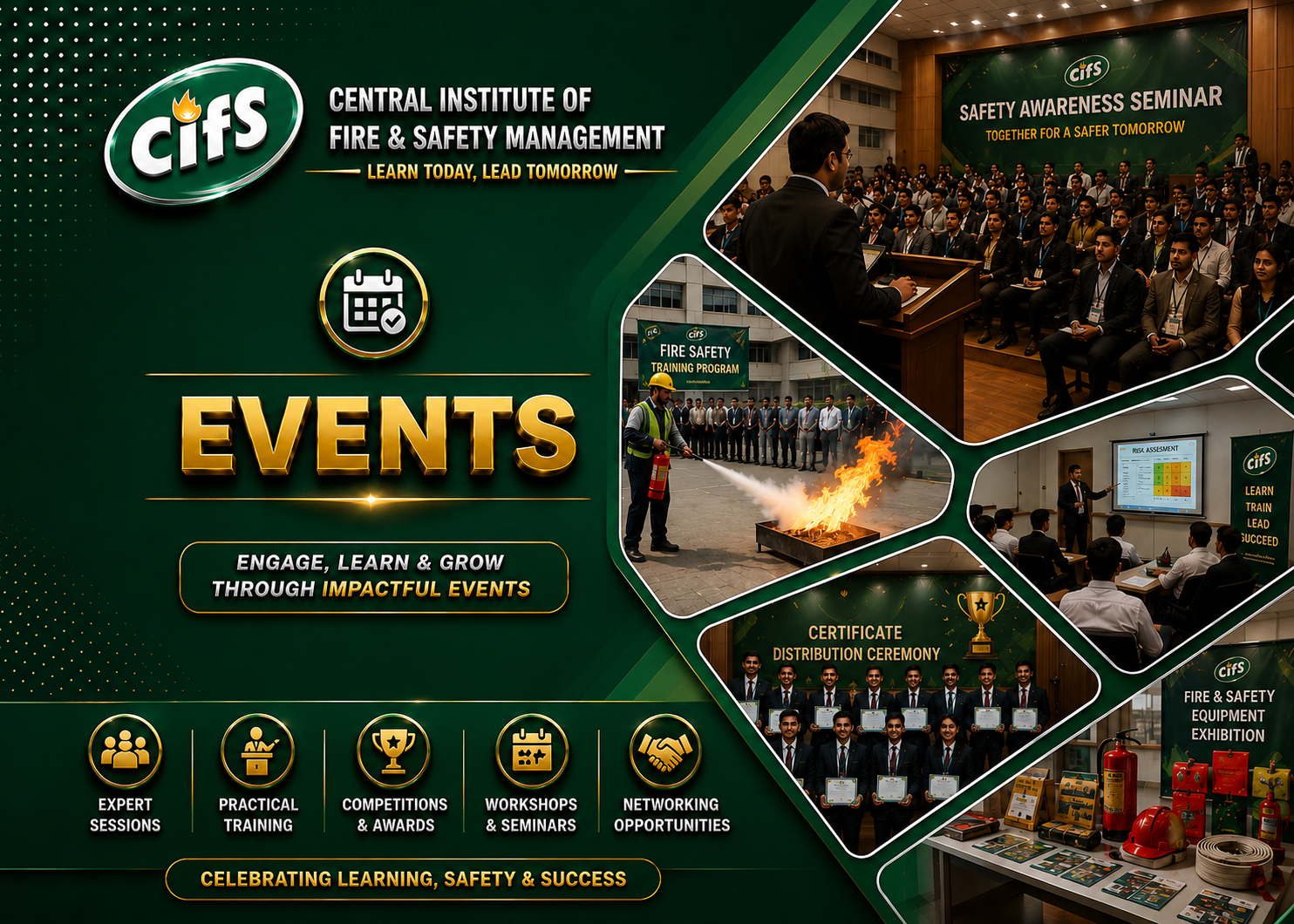
First-Aid Training Program (15 Oct 2025)- Central Institute of Fire & Safety Management, M.S.M.E., an authorized premier institute, is now organizing a “First-Aid Training Program”. Online Session on Work Permit System- (09 June – 15 June) Central Institute of Fire & Safety Management, M.S.M.E Authorized premier institute, is now organizing a “Beginner to Professional” Work Permit System course, where a course completion certificate will be awarded. Free For ITI & Polytechnic Students. Online Session on Basic Fire & General Safety- (17 June – 21 June) Central Institute of Fire & Safety Management, M.S.M.E., an authorized premier institute, is now organizing a “Beginner to Professional” Basic Fire Safety course, where the course completion certificate will be awarded. Free For ITI & Polytechnic Students. Online Session on Electrical Safety- (25 June – 27 June) “From beginning to end”, “From Electricity to watt, volts, ampere”, “From LOTO to LOTOTO”, “From Electric Hazard to Electric Safety”, “From Electrocution Hazard to Electrocution protection.” All above and many more covered in one course!!! Free for ITI and Polytechnic students!!!
ARTICLES
Not only occupational safety but also safety in our day-to-day life is very important, be it in the office, on the road, or at home, as stated by the national print media publication – Jagran Josh. The newspaper stated that safety should be our priority wherever we are present because the risk of injuries is present in various visible or hidden ways. All that we need is a bit of awareness and a will to be safe. And here we are talking about not only human safety but also the environment, wildlife, our planet Earth as a whole. Safety against ill health, accidents, injuries, all sorts of pollution, environmental damages, and uncontrolled use of natural resources. One can opt for a very lucrative, developing, and rewarding career in Safety Management. The courses range from six months to three years. As a safety Institute, Central Institute of Fire and Safety Management offers multitudes of safety oriented courses which have contributed to occupational safety in industries like pharmaceuticals, petrochemicals, power sector, fertilizer, refinery, and several others having safety hazards. And have created a milestone in the awareness of society towards safety through “Aayushman Shikshan eyam Samajik Sansthan” by training thousands of citizens, making them responsible and aware about SAFETY.

PLACEMENTS
Selected Students , CIFS Results CIFS Management is committed to enhancing students’ employability through industry-oriented training, practical exposure, and career guidance. Our placement support helps students connect with opportunities in Fire & Safety, HSE, Industrial Safety, and related sectors. All CIFS 2021 Results CIFS 2022 Results CIFS 2023 Results CIFS 2024 Results CIFS 2025 Results CIFS 2026 Results LB Patel JBF Industries Sarigam Kuldeep Pal L & T Jitendra Singh Oriya DNH Praveen Kumar Tata Motors Hariom Singh DLF Dimpal Bhatt Maruti Load More
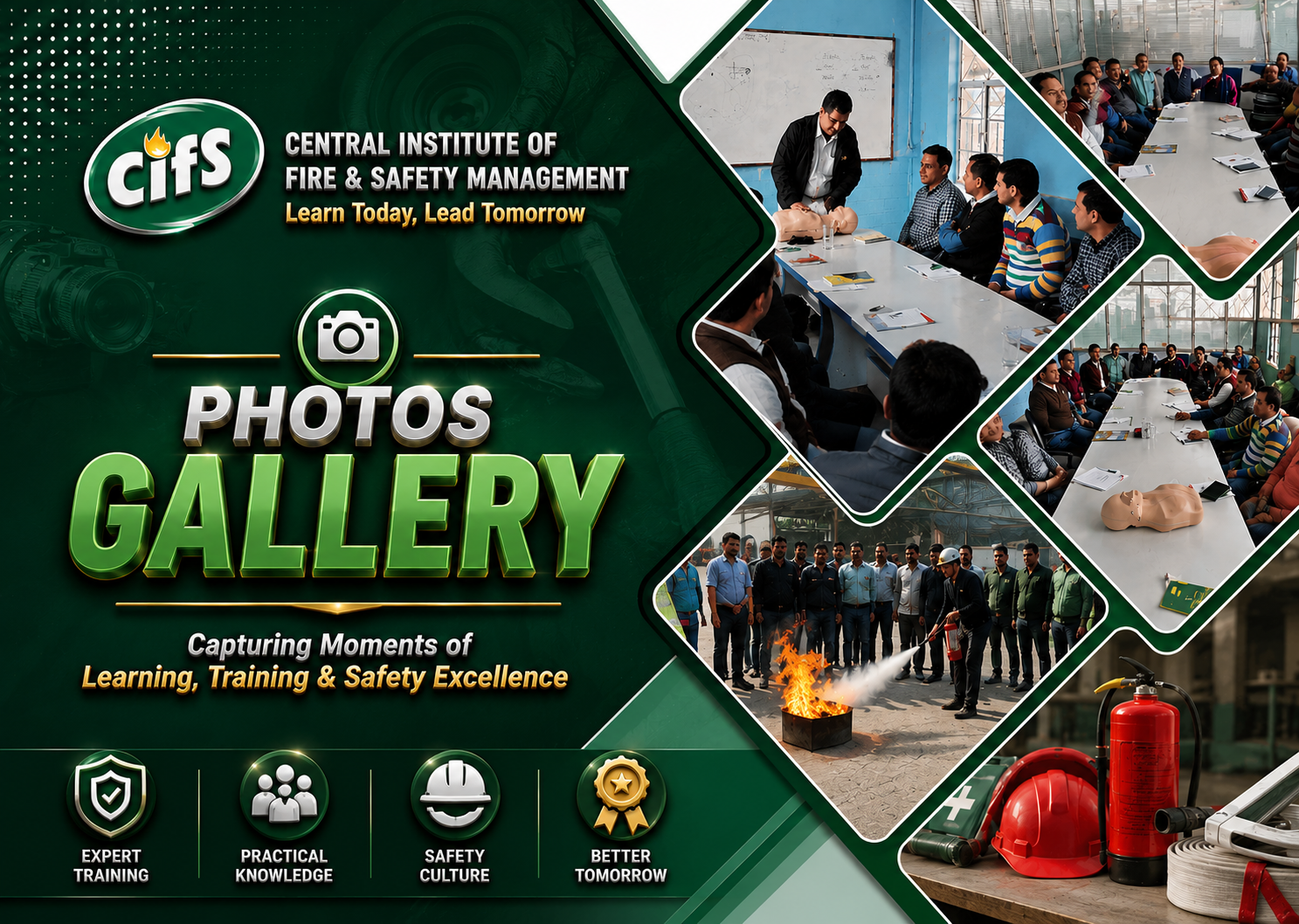
GALLERY
Explore memorable moments from our training sessions, industrial visits, safety workshops, mock drills, seminars, and student activities at CIFS Management. 📸🔥🛡️⭐
CIFS UPDATES
Central Institute of Fire & Safety is organizing the First-Aid Training Program on 15 October 2025. Certification will be from St. John’s Ambulance. Admissions open for Batch 2025-26 in Certificate & Diploma Courses in Fire & Industrial Safety. Registrations are open!! Apply soon. Admissions Open for Diploma / PG Diploma / Degree / PG and International Courses on Fire and Industrial Safety, Construction Safety, Health Safety and Environment, SBTET, Education Loan available for all Courses, Fire & Industrial Safety Online Courses available.

ABOUT DIRECTOR
I take great pleasure in welcoming you to the Central Institute of Fire & Safety Management, an institute dedicated to the proper growth and development of every student for better career prospects. Every one of you will one day have to explain the meaning of your life. As Swami Vivekananda said, “Truth can be stated in a thousand different ways, yet each one can be true.” Your education here, in this institute and outside it for different aspects related to assigned courses, during your time here and long after you complete the course, will help you find that truth in all aspects.
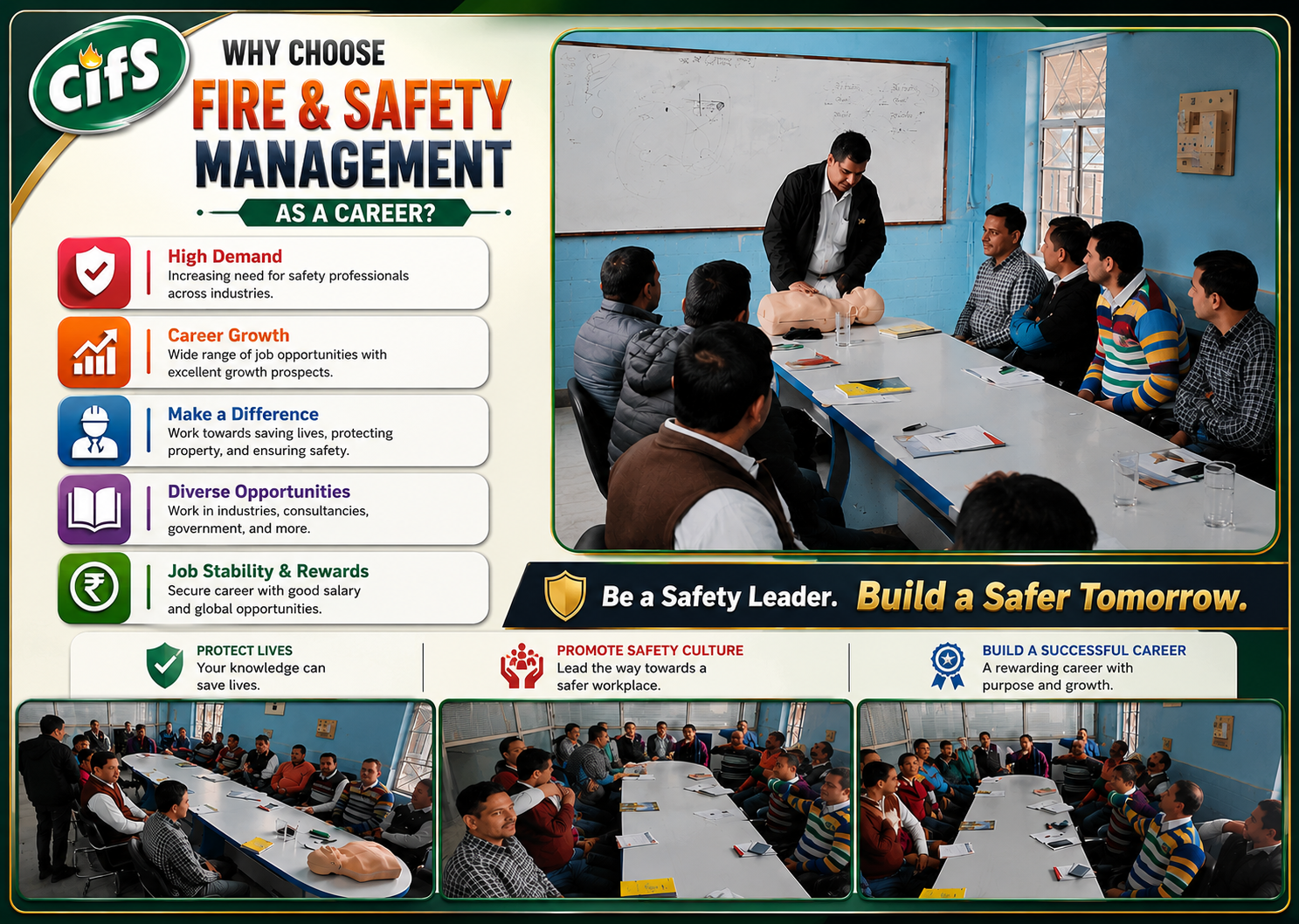
🔥 Why Choose Fire & Safety Management as a Career?
Why Choose Fire & Safety Management as a Career? Complete Career Guide for Students Introduction One of the most common questions students ask after completing their schooling is: In today’s rapidly evolving world, the Fire & Safety Management industry has emerged as one of the most promising career options. With increasing industrialization, infrastructure development, and workplace safety regulations, the demand for qualified Fire & Safety professionals is growing significantly across India and abroad. This article will help you understand everything about a career in Fire & Safety Management, including career opportunities, eligibility, scope, and future growth prospects. What is Fire & Safety Management? Fire & Safety Management is a professional discipline focused on protecting people, property, equipment, and the environment from hazards, accidents, fires, and workplace risks. It involves the implementation of safety policies, risk assessment procedures, emergency response planning, and compliance with safety regulations. The field includes the study of: Safety professionals work according to national and international safety guidelines such as: Why Choose Fire & Safety Management as a Career? Fire & Safety Management is not just a profession—it is a responsibility-driven career that directly contributes to saving lives and creating safer workplaces. Unlike many routine jobs, every day in the safety profession brings new challenges, new situations, and new learning opportunities. Safety professionals play a vital role in preventing accidents, reducing risks, and ensuring compliance with workplace safety regulations. Benefits of Choosing Fire & Safety Management The profession offers a perfect combination of technical knowledge, leadership skills, and career advancement opportunities. Career Scope in Fire & Safety Management The demand for qualified Fire & Safety professionals is increasing across industries such as: Career Opportunities After completing Fire & Safety courses, candidates can work as: With experience and advanced certifications, professionals can progress to senior management and leadership positions. Eligibility for Fire & Safety Courses One of the biggest advantages of this field is that students from different educational backgrounds can enter the profession. After 12th Pass Students can pursue: Students with Science subjects, especially Chemistry, may find additional advantages in understanding industrial safety concepts. After Graduation Graduates can pursue: Professional Certifications Candidates can also enhance their career through internationally recognized certifications such as: Why is Workplace Safety Important? Safety is a critical component of every successful organization. Effective safety management helps prevent accidents, protects employees, and improves overall organizational performance. Benefits of Workplace Safety Organizations that prioritize safety experience long-term operational and financial benefits. Why Safety Professionals Are Highly Valued Safety professionals play a crucial role in protecting human lives and organizational assets. Their responsibilities extend beyond compliance and reporting. By identifying hazards, preventing accidents, and implementing safety systems, they contribute directly to employee welfare and business success. Ethical Benefits Helping prevent workplace accidents means protecting individuals and families from physical, emotional, and financial hardships. Legal Importance Many industries are legally required to appoint qualified safety professionals under various safety regulations and standards. Financial Rewards The increasing demand for competent safety professionals has created excellent earning potential and career advancement opportunities. As the saying goes: “With greater responsibility comes greater rewards.” Conclusion Fire & Safety Management is one of the fastest-growing and most rewarding career options available today. It offers job security, professional growth, global opportunities, and the satisfaction of contributing to a safer society. If you are looking for a career that combines responsibility, leadership, technical expertise, and long-term growth, Fire & Safety Management can be the ideal choice. Build a Safer Future. Build a Successful Career. Choose Fire & Safety Management.
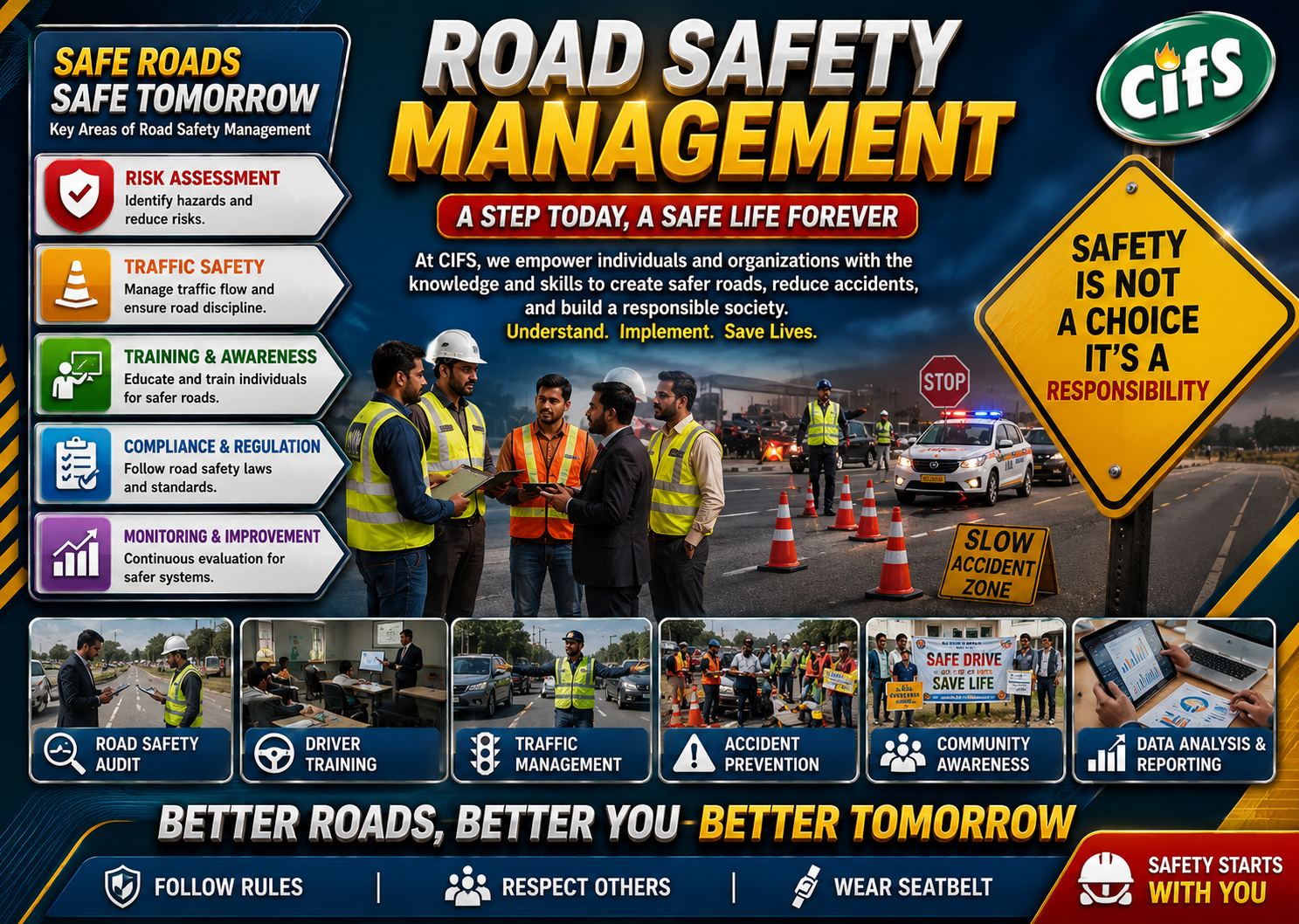
Road Safety
Road Safety: Importance, Rules, Awareness, and Best Practices for Safer Roads Introduction Road Safety is one of the most important aspects of public safety and responsible citizenship. Every day, millions of people use roads for commuting, transportation, education, and business activities. However, road accidents continue to be a major concern worldwide, causing injuries, fatalities, and significant economic losses. Road Safety refers to the measures, rules, and practices designed to prevent road accidents and protect the lives of drivers, passengers, pedestrians, and cyclists. By following traffic regulations, maintaining vehicles properly, and adopting safe driving habits, individuals can contribute to creating safer roads for everyone. At a time when vehicle numbers are increasing rapidly, road safety awareness has become more important than ever. Every responsible road user plays a vital role in reducing accidents and promoting a culture of safety. What is Road Safety? Road Safety is the practice of preventing accidents and minimizing risks associated with road transportation. It includes traffic regulations, vehicle safety standards, driver education, road infrastructure improvements, and public awareness programs. The primary objective of road safety is to ensure that every road user reaches their destination safely without causing harm to themselves or others. Road safety involves: Importance of Road Safety Road accidents can result in serious injuries, disabilities, emotional trauma, and loss of life. Most accidents occur due to human error, negligence, speeding, distracted driving, or violation of traffic rules. Road safety is essential because it: A safe road environment benefits individuals, families, businesses, and society as a whole. Common Causes of Road Accidents Understanding the causes of accidents is the first step toward prevention. 1. Over-Speeding Driving above the prescribed speed limit significantly increases the risk of accidents and reduces reaction time during emergencies. 2. Distracted Driving Using mobile phones, texting, eating, or engaging in other distractions while driving can divert attention from the road. 3. Drunk Driving Driving under the influence of alcohol or drugs impairs judgment, coordination, and reaction time, making it extremely dangerous. 4. Reckless Driving Ignoring traffic signals, improper overtaking, and aggressive driving behavior contribute to road accidents. 5. Poor Vehicle Maintenance Faulty brakes, worn-out tires, malfunctioning lights, and other mechanical issues can lead to accidents. 6. Fatigue and Drowsiness Driving while tired affects concentration and increases the likelihood of mistakes and delayed responses. 7. Adverse Weather Conditions Heavy rain, fog, snow, and poor visibility can make driving conditions hazardous. Essential Road Safety Rules Following road safety rules helps reduce risks and ensures smooth traffic movement. Always Wear Seat Belts Seat belts significantly reduce the severity of injuries during collisions and should be worn by both drivers and passengers. Wear a Helmet Two-wheeler riders and passengers must wear approved helmets to protect against head injuries. Obey Traffic Signals Traffic lights, road signs, and lane markings must always be followed to maintain order and prevent accidents. Follow Speed Limits Driving within prescribed speed limits allows better control of the vehicle and improves safety. Avoid Mobile Phone Usage While Driving Using mobile phones while driving distracts attention and increases accident risk. Maintain Safe Distance Keeping a safe distance from the vehicle ahead provides adequate reaction time during sudden braking situations. Never Drink and Drive Driving under the influence of alcohol is one of the leading causes of serious road accidents. Road Safety for Pedestrians Pedestrians are among the most vulnerable road users. Following basic safety practices can help prevent accidents. Safety Tips for Pedestrians Road Safety for Students Students frequently travel to schools, colleges, and coaching centers. Road safety awareness is essential for their protection. Important Guidelines for Students Road safety education should be introduced from an early age to develop responsible habits. Road Safety for Drivers Drivers play a crucial role in maintaining road safety. Responsible driving helps prevent accidents and ensures the safety of all road users. Best Driving Practices Professional and disciplined driving behavior creates a safer transportation environment. Defensive Driving and Road Safety Defensive driving involves anticipating potential hazards and taking preventive actions to avoid accidents. Benefits of defensive driving include: Defensive driving is an essential skill for both personal and professional drivers. Benefits of Road Safety Awareness Road safety awareness programs help educate individuals about risks and preventive measures. Key Benefits Awareness campaigns play an important role in creating responsible road users. Role of Organizations in Promoting Road Safety Organizations and institutions can contribute significantly to road safety through: Promoting road safety within organizations helps protect employees and the public. Road Safety and Emergency Response Despite preventive measures, emergencies may still occur. Basic first aid knowledge and emergency response skills can help save lives. Important emergency response actions include: Preparedness can make a significant difference during critical situations. Conclusion Road Safety is a shared responsibility that requires cooperation from drivers, pedestrians, passengers, organizations, and government authorities. Following traffic rules, practicing safe driving habits, and promoting road safety awareness can significantly reduce accidents and save lives. Every individual has the power to contribute to safer roads through responsible behavior and adherence to safety regulations. By making road safety a daily habit, we can create a safer environment for ourselves, our families, and future generations. “Road Safety is Not an Option—It is a Responsibility. Drive Safe, Stay Safe, Save Lives.”
First-Aid Training
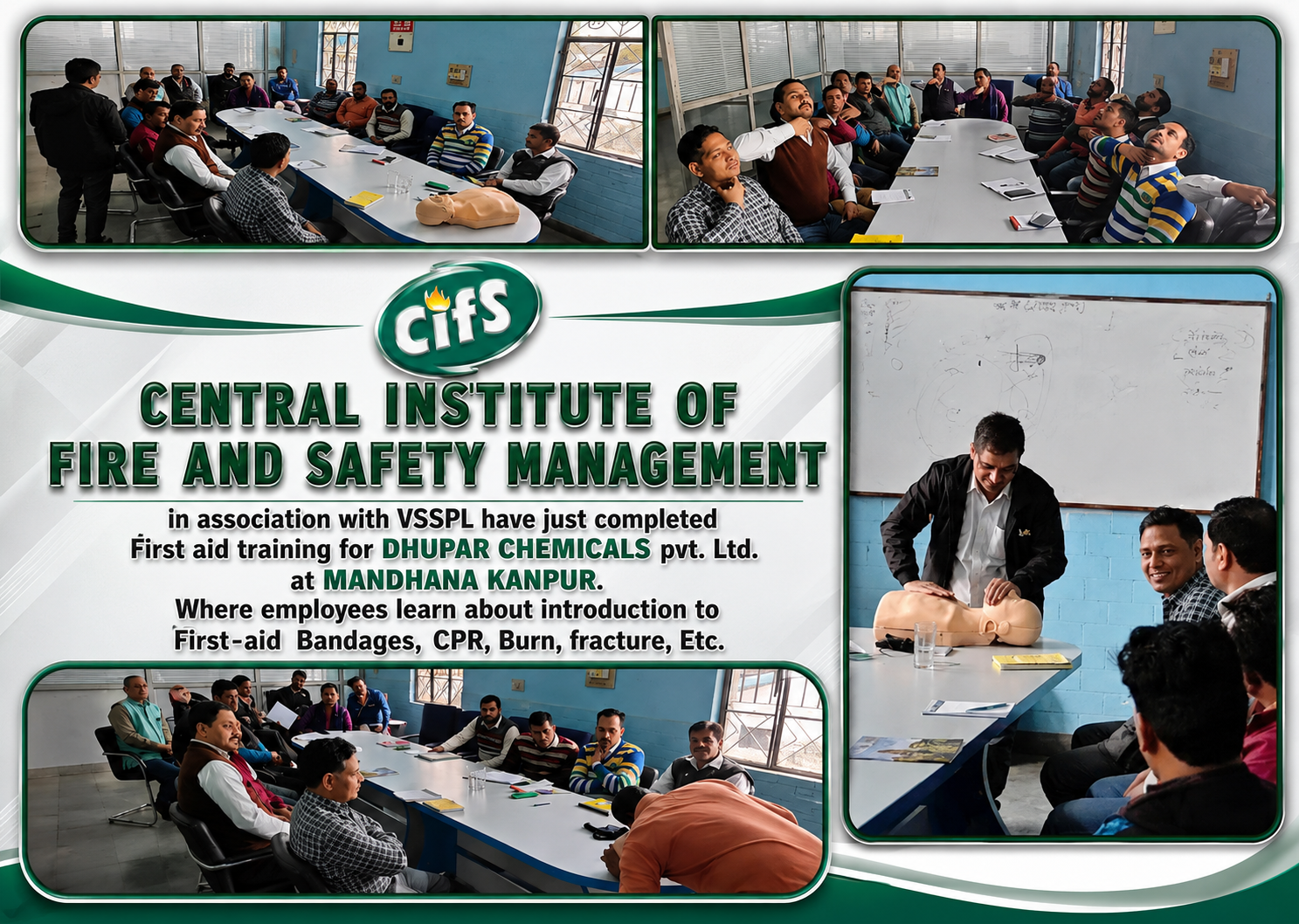
Professional First-Aid Training for Workplace Safety and Emergency Preparedness First-Aid Training is one of the most important components of occupational health and workplace safety. It equips individuals with the knowledge, confidence, and practical skills required to respond effectively during medical emergencies before professional medical assistance arrives. At CIFS Management, we provide comprehensive First-Aid Training programs designed to help students, employees, safety professionals, and industrial workers develop life-saving skills that can make a critical difference during emergencies. In today’s fast-paced industrial and corporate environment, accidents and medical emergencies can occur unexpectedly. Immediate and appropriate first aid can significantly reduce the severity of injuries, prevent complications, and even save lives. Our First-Aid Training program focuses on practical learning, real-life emergency scenarios, and hands-on demonstrations to ensure participants are prepared to handle emergencies with confidence and professionalism. Why First-Aid Training is Important A workplace equipped with trained first-aid responders is safer, more productive, and better prepared to manage emergencies. First-Aid Training enables individuals to recognize hazards, assess emergencies, and provide immediate assistance until professional medical services arrive. Key reasons why First-Aid Training is essential: Whether in factories, construction sites, offices, educational institutions, or public places, trained first-aid personnel play a vital role in protecting lives and ensuring safety. First-Aid Training Modules At CIFS Management, our training curriculum is designed according to modern safety standards and industry requirements. Participants receive both theoretical knowledge and practical training. Basic First-Aid Principles CPR Training Bleeding and Wound Management Burns and Scalds Treatment Fractures and Musculoskeletal Injuries Choking and Airway Obstruction Shock and Unconscious Casualty Care Workplace Emergency Preparedness Practical Demonstrations and Hands-On Training One of the major strengths of our First-Aid Training program is its practical approach. Participants engage in hands-on activities, emergency simulations, and real-world scenarios that enhance their understanding and improve skill retention. Practical sessions include: These practical experiences help participants develop confidence and readiness to respond effectively during actual emergencies. Benefits of First-Aid Training Completing a First-Aid Training course provides numerous personal and professional advantages. For Individuals For Industries and Organizations For Safety Professionals Who Should Attend This Training? Our First-Aid Training program is suitable for: No prior medical experience is required. The course is designed for beginners as well as professionals seeking to improve their emergency response skills. Why Choose CIFS Management for First-Aid Training? CIFS Management is committed to delivering industry-focused safety education and practical training programs. Our experienced trainers use modern teaching methods, practical demonstrations, and interactive sessions to ensure effective learning outcomes. Our Key Strengths We focus on building competent and confident individuals who can contribute effectively to workplace safety and emergency response systems. Career Opportunities After First-Aid Training First-Aid skills are highly valued across multiple industries, including: These skills enhance employability and strengthen professional profiles in safety-related careers. Conclusion First-Aid Training is not just a safety requirement—it is a life-saving skill that empowers individuals to respond effectively during emergencies. At CIFS Management, we are dedicated to providing high-quality First-Aid Training that combines theoretical knowledge with practical experience to create skilled, confident, and responsible safety professionals. By investing in First-Aid Training, individuals and organizations can create safer workplaces, improve emergency preparedness, and contribute to a culture of health and safety. Learn First Aid Today – Be Prepared to Save Lives Tomorrow.